Showing posts with label Revisiting Films. Show all posts

Tuesday, June 7, 2016

Gayathri - Revisiting Tamil Cinema 12


Rajarathnam (Rajinikanth) is trying to persuade Gayathri (Sridevi) not to put off the light during their “first night”. The murals on the wall are painted with people looking at the bed. This might be the hint of what is going to come in the film.

I missed the title credits, so I was keen to know on how Panchu Arunachalam (Screen writer) could have conceived this kind of story. Then it struck me that this story is from Sujatha, which was published in a newspaper daily. As usual, critics say the film didn’t stick to Sujatha writing. That’s not exactly true.

Translating letters into visual medium is difficult, most of the Tamil films had failed in this process, but what a filmmaker gets from a novel is a unique kind of story, which stands apart from the usual story-line. (These are observations from film makers, who tried to make films from novels).

Gayathri, the film is one such example of a unique story, which has pornography as a plot! So when the screen writer adjusts and rewrites it for the film, there are certain minor and major adjustments to be made. 

I had to read the actual story after watching the film; I must say the film sustained 50% of the short novel.


The overlooking murals on the bedroom are a visual way of storytelling (This description of the bed room is not in the novel). The film maintains the suspense, at least for Gayathri (Sridevi). The first part of the film is where she connects the dots. 

It was like Abhimanyu breaking into Chakraviyugam- the setup and confrontation is OK, but when it comes to the resolution, the film slips into the conventional story telling. All the gritty narration breaks up loose, with the introduction of Ganesh (Jai Shankar), the lawyer, when he finds the notebook. The film makes a U-turn. It is now more an action-thriller; it must have been a surrealistic-suspense. 

The first half is set with minimal characters and single-location, later it moves to a much wider area of club-song and hotel rooms. Ganesh and Chellapa (Ganesh friend) could have been portrayed bit serious, but instead, the director directly transcribed the naughty and wittiness of Ganesh & Vasanth (Chellapa in the film) from the novel to screen, which sounded like a James Bond film. And, in this whole process, Sridevi is left alone, we don’t even see her on screen for a while!! Maybe the director ran out of her call sheet.

---------

Other Tamil films you might be interested from this "Revisiting" series- Manal Kayaru, May Madham, Taj Mahal, Baasha, MMKR, Hey Ram, Sabapathy, Raja Paarvai, Vikram, 16 Vayathinile, Veedu


Wednesday, April 20, 2016

Veedu - Revisiting Tamil Cinema - 11


I have a distant memory of seeing this film in Doordarshan. When this film won the national award, this was one of the routine Tamil films to be telecasted in Sunday afternoon.

This was then a difficult film for me to see, with no songs and actions and the grainy pictures in Doordarshan, but the music of Illayaraja will keep on lingering in the mind. It gave a sad feeling, but I couldn’t understand the visuals.

After many years, I had a chance to see it again. As years move, I became accustomed to see different, odd films. Some what I’m able to appreciate the beauty (again sadness) in this film. So by using all my experience (just a dandruff flake) in film watching, I’m going to rewrite a scene from this film. I’m going assume, how this particular scene would had been shot by Balachander and Bharathiraja.


The scene is when Murugesan (Chokalinga Bhagavatar) visit the under-construction house after the roof work is completed. The following will be Balu Mahendra version from the film,
  • - He commutes to Virugambakkam by MTC bus.
  • - Get down from the bus by forgetting the umbrella.
  • - Walk to the construction site in hot sun.
  • - Visit the house. Feels very happy. Background music by IR.
  • - Asks for drinking water to quench his thirst.
  • - Falls on the road while walking back to the bus stop. An onlooker rushes to help him.
  • - (Next scene we cut to Sudha office. She gets a phone call)
In this scene, I’m doing some little modifications to make Balachander and Bharathiraja version. Fans please excuse me.

Balachander version

The characters of Balachander emote a lot. Most of them are talkative. Since they are full of emotions, the camera is always in close-up (or vice-versa), especially when there is a crucial moment. The close-up camera angle is not straight, but placed at an angle. 

Here is how he would have made the above mentioned scene, two scenes,
  • - Bus shot won’t be there in KB version.
  • - Murugesan will head straight to the construction site
  • - Feels elated as in Balu Mahendra version
  • - Go back to house. (We can omit this shot and go straight to the next scene)
  • - (2) Evening, in the verandah, he is sitting in the chair with a glass of water in his hand. Younger grand daughter (Indhu) is seated at a distance in the verandah too. Sudha enters the house. Sudha knew that Murugesan had gone to the site. Concerned about his age, she is angry with him. The camera follows her to the room; possibly she is going to change her dress. She is not scolding, but some concerned words. Her talk is interrupted by a sound - water tumbler falling on the floor. She rushes to the verandah and he is already dead. All three (Sudha, Indhu & Murugesen) have close-ups.

Bharathiraja version

Like Balachander version the initial bus shot is not in this version too. The rest of the scenes as follow,
  • - Murugesan visits the site.
  • - He feels elated. Background IR music.
  • - He is returning back in the MTC bus, with the same elated feeling and same IR music in background. Two to three cuts back-and-forth (New house and bus).
  • - In between the back-and-forth shots, the camera to show the bus tire for few shots and the tire bursts.
  • - At the same moment Murugesu head turns into position such a way we feel that he is asleep.
  • - The conductor asks everyone to get down. Seeing Murugesan the only passenger siting in the bus, the conductor walks towards him and shake his shoulder, instead of waking up Murugesu falls on the seat as dead.
Again, fans please excuse me.

Other Tamil films you might be interested from this "Revisiting" series- Manal Kayaru, May Madham, Taj Mahal, Baasha, MMKR, Hey Ram, Sabapathy, Raja Paarvai, Vikram, 16 Vayathinile


Saturday, April 2, 2016

16 Vayathinile - Revisiting Tamil Films 10


Loads of literature has been written on this film. So let me point a scene, it’ll will be the editing which I like the most. Editor – Bhaskaran.

Bharathiraja has this habit to do crazy cuts. Example, in Muthal Mariyathai- When Sevanthi is killed in the river, her lover see her dead body and throw his flute, the shot is froze in the mid-air, we see people running- only their legs, Sevanthi’ father crying and people lifting her dead body from the river. Crazy cuts are only backed by the music.

Here in 16 Vayathinele, Mayil (Sridevi) walk into the doctor’ house with a hen (Kozhi). As she walks by the compound wall we can see the tender-coconut (elani) vendor. While she inside the house, the doctor takes advantage of her. Slowly as he makes his move by touching her hand, we are cut to the outside of the house; the elani vendor starts to cut a coconut.

For each hit on the coconut with the machete, the doctor is advancing his moves on her and successfully puts her on his bed. Suddenly she realizes that she gave too much room (cricket terminology). She jumps from the bed and run out of the house. The coconut vendor misses the hit and coconut fall in the ground. Psst, an opportunity lost for the doctor!

This should be an example of cross-cut in Tamil cinema, which is “cutting into actions occurring at the same time in two different locations”. Even though the coconut vendor is not a part of the story, but his action is a part of the narrative.


For the sake of my enthusiasm-

Another perfect example of cross-cutting is the Costigan interview scene from the film The Departed. Here all the shots are relevant to the story and narrative. The best part in this is the scene starts in the interview room, and then cuts to different locations- actions happening at the same time (Sullivan walking out and talking to Barrigan), there is flash back (Costigan talking with his uncle & being with ailing mom) and even future actions (Sullivan buying a property). Then back to the interview room.

Next revisit will be a best cinematography shot in Tamil cinema, along with a Hollywood film!

Other Tamil films you might be interested from this "Revisiting" series- Manal Kayaru, May Madham, Taj Mahal, Baasha, MMKR, Hey Ram, Sabapathy, Raja Paarvai, Vikram


Monday, September 14, 2015

Vikram - Revisiting Tamil Films 9


When the techno music started to play in my play list, I thought I hadn’t seen this film for a long time. As usual of any Kamal film, I keep seeing in the forums about this film, they term it as “far ahead film”. 

A very distant memory of mine said that I had seen this film while it was released; my mom confirmed that she took me while I was a small boy. It stuck me- I was a Rajinikanth fan then, so I didn’t like Vikram even a wee bit and also I didn’t understand. Now seeing it for the second time after so many years, I still didn’t like this film, even after understanding what is meant by “Onboard computer”, “Password”, “Program”, “Inter Continental Ballistic Missile”. I guess these terms make this film as “far ahead film” and not the film as such.

I was particular to see (hear) the dialogues of Sujatha, but not much either, as the 1/4th of the film was in a fictional Salamia language!. The first 1/4th of the film was serious, and then latter it got completely changed into a B-grade James Bond spoof film. Sujatha proficiency in this film was only to add a new word to the Tamil lexicon – “Villaimagalin Payan”.

Every character went over board or too dramatic, except Sugirdharaja (Sathyaraj), because he is villain- he can go overboard and he got to. Mr. Rao (Or fondly called as Rayan by Sugirdharaja) is too innocent to be chief of Central Intelligence. Thangaraj (Ragavendra) is too modest to ride a bicycle (Oh, 1986, but he can still have the uncle's Bajaj Chetak). V K Ramaswamy, as a minister (must be Defense or Home minster) was too unintelligent to differentiate between a nuclear arsenal and Sivakasi cracker!. Vikram (Kamal) was more arrogant or to be precise he was like a “arrogant kid” first and in the later half I guess he fell for Dimple Kapadia (off screen!)

I thought Sriharikota was to be satellite launching station. Mr. Agni Putra was a laughing stock. How can they transport a missile and its nuclear device in the same vehicle, all ready to launch!. There is no GPS system for Mr. Agni Putra, but once it is launched they can track it (The final scene when kapal and Rao see in the monitor). Here in this scene, if Illayaraja hadn’t played the “relief” background music, we couldn’t have comprehended what is going on. And those Salamia guards, uffff, even Ommakutchi Narashiman would have kicked them to their grave.

Few likable- Songs and its lyrics. The title song picturisation.

Check its Wikipedia page. Someone had narrated the story better than the film.

Other Tamil films you might be interested from this "Revisiting" series- Manal Kayaru, May Madham, Taj Mahal, Baasha, MMKR, Hey Ram, Sabapathy, Raja Paarvai.

**Above pic a snapshot from the film. Design cut-paste by the blogger


Wednesday, September 9, 2015

Raja Paarvai - Revisiting Tamil Films 8

raja-paarvai-kamalhaasan-tamil-film


The film starts with unusual titling; it just lists the names of the people who worked in the film, without mentioning their line of work.

Raja Paarvai stands tall from the first scene, considering that was the period when the likes of the Mahendrans, Balumahendras and Bharathirajas were making waves in Tamil cinema. Kamal would have thought that he shouldn’t be left behind; roped with his mentors Ananthu and RC Shakthi to make this film. This was the first of the many films he had to work with Sangeetham Srinivasa Rao.

Sans Kamal’s visually impaired characterization, the story will be the same old love story, which has been tried and tested formula. Technically this film should stand apart from the early 1980’s films, especially in film editing. Split cuts were widely used- the audio of the next scene starts before the current scene actually cuts away. This gives a fastness to the film, which is otherwise a little slow paced or no masala elements.

There are few scenes in which the audio of the current scene and the next scene is matched or same. Example, after Ragu finishes his first instrumental in the school stage, the indistinct muttering sound of the theater audience is overlapped by the similar gabbling noise in the market on the next scene as Ragu walks to his room.

To illustrate the same technique, there is a scene when Cheenu (Y. G. Mahendran) and his friend’s sniffs (like a dog) at the whisky bottle and the next scene start with a dog panting.

Cutting into darkness is another technique which is used here; this is widely used in Hitchcock’s Rope. Example- When Nancy (Madhavi) meets Ragu in his room for the first, at the end of the scene the power goes off and it becomes dark, cut to next scene, the camera starts with the Nancy’s black hair as she walks off from the camera to reveal it as another location.

Another example, when Raghu explains his past life to Nancy as they walk into the darkness of the Woodlands hotel lounge and next scene starts with the flashback- camera facing Ragu (Kid) head.

There is a moment when the slow-motion is used in a unique way. When Nancy is waiting for her father to leave the home, she is very anxious, so that she can leave to see Ragu, but from her point of view, her father is taking more time to do his routines. We see all his actions in slow-motion, whereas on the same shot on the other end, Nancy movements are normal. 

Initial days of Thota Tharani, he started to change the urban home interiors- big ball shaped lights, mattress without the cot, Ragu room- a wall made up of windows.

Not to forget the music by Illayaraja. For me Andhi Mazai Pozhigiradu is a neck-and-neck race between Illayaraja and Vairamuthu. Whereas Azage Azagu was a lyrict’ film song. 

I read somewhere the final church scene looks similar from the Hollywood film The Graduate (1967), even if it is so, it doesn’t matter as the end was apt. Somehow it also reminded Goutham Vasudev Menon’ Minnale (2001).

**Above is the fan-made poster. Photoshoped from original poster by this blogger.

Other Tamil films you might be interested from this "Revisiting" series- Manal Kayaru, May Madham, Taj Mahal, Baasha, MMKR, Hey Ram, Sabapathy.


Wednesday, August 5, 2015

Sabapathy - Revisiting Tamil Films - 7


Sabapathy an evergreen classic in Tamil cinema. The film is full of witty dialogues and a bit of farce play by TR Ramachandran and Kali. N. Rathnam both named as Sabapathy. Written by the famous stage personality Pammal Sambandam and was co-directed by A. V Meyyappan (AVM).

This film has a wide following even now. We can catch it once in a while on TV (Sun). Here, I’m quoting few dialogues and scenes from this film.

1. TR Ramachandran in the opening classroom scene.


2. Witty exchanges between Sabapathy, teacher and his friend.

வாத்தியார்- அப்பா சபாபதி. உனக்கு படிப்பு அக்கரை
Friend - என்ன சார்?
வாத்தியார்- இக்கரை..
சபாபதி – நடுல?
வாத்தியார்- ஆறு
Friend – என்ன ஆறு?
சபாபதி – வாத்தியாரு!


3. Another one between Sabapathy and his teacher

சபாபதி- திருஞானசம்பந்தர் திருமரணம் படலம் சார்
வாத்தியார்- சிவசிவ திருமணப்படலம்


4. The angry teacher (Sarangapani)


வாத்தியார்- ஏய்.. இந்த சின்னச்சாமி முதலியாருக்கு கோவம் வந்தா என்ன ஆகும்னு முன்னாடி போன முட்டாள்கள கேட்டு தெரிஞ்சிக்கோ..


5. Sabapathy fools himself before his servant (Sabapathy)


சபாபதி- Bloody foolனா ரொம்ப கெட்டிக்காரன்னு அர்த்தம்


6. The famous train scene from Madras.. Palar bridge


சபாபதி- South Indian railway மெட்ராஸில் இருந்து புறப்பட்டு.. குப்.. குப்.. குப்…


7. Sabapathy asking his servant to bring big books and newspapers

சபாபதி - டய் சபாபதி போய் Encyclopedia Britannia Indica America-va கொண்டுவா..
சபாபதி - டய் நீ போய் the hindu of the mail of the-ய கொண்டுவா..


8. The famous cat.. rat.. mat scene. Sabapathy translates English to Sabapathy (Servant).


9. Sabapathy' father describing his position in the society

சபாபதியின் அப்பா – ஊர்ரேல்லாம் பெருமதிப்பு விட்டுல அவமதிப்பு


10. All women kalyana ketcheri in Sabapathy marriage (Trivia - 1930's itself saw first female director and producer - TP Rajalakshmi)


11. Sabapathy attempting a fake suicide as he "fannaled" in the exam


சபாபதி (Servant) - அப்பா சவுரதுதான் சவுரியேபா அந்த பாதாம் அல்வா பக்கோட எங்க வேச்சிருகேன்னு சொல்லிட்டு செத்துபோப!!


12. Elections were not new then (1941), in fact the first elections at Madras Presidency was held in 1920. Democracy was already 20-years old, and the working of electoral politics is reflected in a dialogue between the teacher and Sabapathy father. Vote-for-money was not new then.


சபாபதியின் அப்பாவிடம் வாத்தியார் - இந்த election விசயத்துல எருமைய விட அதிகமான பொறுமை தங்களுக்கு இருக்கு


13. Sabapathy misunderstanding an idiom written by his wife and ask his servant to turn the table.


சபாபதி- You thus turn the tableன்னா,, மேசையை திருப்பிப்போடு


14. One can sense the north Tamil Nadu accent all throughout the film and little bit of English and Telugu. It had a "commoner" accent, rather than having stage-kind "Thuya Tamil".

சபாபதி- முட்டாள்.. தெலுங்குக்கு தமிழுக்கும் என்னட வித்தியாசம். தமிழ் வார்த்தைக்கு ஒரு டீ’யா சேத்த தெலுங்கப்பொயிடுது.


15. Sabapathy making fun out of people who visit him to greet on Pongal celebrations.


ஆண்டி- சிவ சிதம்பரம்
சபாபதி - சென்னப்பட்டணம்


16. Lyrics from a song.


ஆண் - காதல் வேகம் வேகம்மா.. இந்த காரின் வேகம் வேகம்மா
பெண் - காதல் வேகம் வானில் எவும் அந்த airoplaneனுக்கு ஏது


17. The writer didn't stop with the comedy. Few social issues were touched and also the independence movement.


சபாபதி – சுவதேசி ice cream. சொந்தமா machine வாங்கி நம்ப வீட்டுலேயே தயார் பண்ணது.
வாத்தியார் – ம்.. இந்த உணர்ச்சி எற்பட்டாதான் நம்ம தேசம் உருப்படும்.

The full film is available on YouTube.

Other Tamil films you might be interested from this "Revisiting" series- Manal Kayaru, May Madham, Taj Mahal, Baasha, MMKR, Hey Ram


Monday, March 9, 2015

Manal Kayaru - Revisiting Tamil Films - 6

Manal Kayaru Tamil Film


Even before the recent Induja matrimonial site started to circulate, I thought of writing about this film. Although, it is not 100% similar, both deals with the Indian matrimony system. Let’s get into the film, leaving IP alone in her quest to search for a suitable boy.

Following in the footsteps of his mentor (K. Balachander), Visu ventured into Tamil film industry with his famous stage-play, Moodi Masthan, to be turned into a film called Manal Kayiru (This was his 2nd film). Visu started a new genre in Tamil cinema. It is hard to coin or label the genre. It was like a family drama cum comedy moves to tragedy ending with all happy faces.

Kittumani, played by S. V. Sekar, is looking for a bride or tries to avoid marriage. He lists eight conditions. His plan is to marry someone (of course a girl) who fits his listed eight conditions. Entire family turns to Naradar Naidu, played by Visu to get a suitable bride. Visu, knowing that no one can find a suitable girl, who fits into the eight ridiculous (some makes sense) conditions starts his game. He advises the bride (Uma) family to tell lies, he goes on to quote a popular Tamil saying “You can do a marriage, by saying 1000 lies and all I’m asking to say is just eight lies”.

If you are eager to know the eight conditions, I suggest to see the film.

Marriage happens, but things go awry, when the cats starts out of the box on the very third day. Kittumani threatens\tries to divorce Uma. The rest of the story is how Naradhar Naidu tries to bring peace between them. No hard guesses, Naidu succeeds.

Visu, is the granddaddy of bringing plethora of actors in his movies or say a least-known ensemble cast. The number of people in the frame will be more than the audience. On top, all will have bunch of dialogues delivering in high-decibels. Visu, went on to make such family drama in 1980’s, created his own brand of audience. In fact, the very next film’ plot was dowry. He went on create some memorable films and then later moved to Tamil Television in pioneering talk-shows.

Back to this film, it has some good performances by Manorama and Kismu (Visu’ younger brother). Comical, yet sensible scenarios. Good songs and score.

The full film is available in YouTube or if you are lucky you can catch it on some TV channel in a lazy afternoon.

Other Tamil films you might be interested to catch from this "Revisiting" series-


Wednesday, October 1, 2014

Hey Ram - Post 4/4


ஹே ராம் பற்றிய எனது முதல் மூன்று பதிவுகளை இங்கே படிக்கவும்.


மேலே இருக்கும் பதிவுகளை படித்து பிழைத்து இருந்தால் தொடர்ந்து படிக்கவும்.

**Spoilers Ahead**

தீடிர் சந்திப்புகள், கமலின் விதவிதமான முகங்கள், காட்சிக்கு காட்சி மாறும் மொழிகள், காந்தியம், மதச்சண்டை, நிகழ் காலம்-Black & White, கதை பின் நோக்கி செல்லும் போது-Color என்று பல தடைகளை தாண்டி வந்துவிட்டோம். இப்போது படம் முடியும் நிலை. அம்ஜத் இறந்துவிட்டான். நண்பனை இழந்தநிலையில் ராமின் மனம் மாறி காந்தியை கொல்லாமல் அவரிடம் மன்னிப்பு கேட்டக செல்கின்றான். காந்தியை கோட்சே சுடுகின்றான். படம் முடிகின்றது.

மனமாற்றம் நிகழ்ந்ததா?

எனக்கு முதல் இரண்டு தடவை பார்க்கும்போதும் அப்படி தோன்றவில்லை. அம்ஜத் கூறும் ஒரு வசனமும் காந்தி கூறும் ஒரு வசனமும் (கருத்து) ஒன்றாக உள்ளதை ராம் சுட்டிக்காட்டுவான். இதுதான் மனமாற்றத்திர்க்கு காரணமா ? கடைசியாக காந்தியை சந்திக்க போகும்போது ராம் செய்யும் காரியம்- Wash basin முன்னால் நின்று கொண்டு துப்பாக்கியை பெட்டியில் வைப்பது. 


மன்னிப்பு கேட்க போகும் முன் துப்பாக்கியை உடைத்து (அல்லது dismantle) பெட்டியில் வைத்திருந்தால் காட்சி இன்னமும் நன்றாக புரிந்திருக்கும் என்பது எனது சிறிய முளையில் தொன்றிய ஒரு idea.

என்னதான் குற்றம் குறைகள் சொன்னாலும் ஹே ராம் தமிழ் சினிமாவில் கொண்டாடப்பட வேண்டிய படம். நாம் கொண்டாடினோமா ?


Tuesday, September 9, 2014

Year 1989 - Revisiting Tamil Cinema


Rewinding to the year 1989, which is kind of special for me, because as cinema is concerned this year is my earliest remembrance of watching many films in movie theaters. This was also the year which made me to turn from Rajinikanth to Kamal. The reason is Apoorva Sagotharargal.

Apoorva Sagotharargal is celebrating its 25th anniversary year now (2014). Even though there are many memorable films released that year, I kind of always go with Apoorva Sagotharargal as the best in terms of entertainment value. 

The story is a old template. Two brothers getting separated after their father is killed by the villains. One brother taking the revenge in the climax. Kamal as Appu, the dwarf was awesome (not sure if its the right word). The circus is not a new setting in the Tamil Cinema, MGR had done a circus based film before, but this film was something new for this (that) generation. Especially the dwarf role- sometimes folding his leg, sometimes the tricky camera angle, sometimes just standing on the dolly which is set underground. This was an out-of-the-box thinking for an entertainer. I wonder how the thought process should have worked between Kamal- SS Rao-PC Sriram-Thota Tharani. 

One standout scene is the “Registrar office scene”. Willingly or unwillingly in Kamal films there will be a scene in which he will cry due to someone close getting lost, I assume this started in Nayagan and this continued even till Virumandi\Hey Ram. My mom would say this is typecast for Kamal. But in this registrar office scene, he will make a subtle sob, of course he can't cry like Nayagan. With tears in his eyes, little smile on his face, Illayaraja background music adding to the pathos and PC Sreeram playing with lights- this should be the best scene in the history of Tamil Cinema!.

Trivia- Kamal came as a dwarf on the stage to collect the best actor award given by Tamil Nadu Govt.

The next best in this year was Puthiya Pathai and Karakattakaran.

After 25 years, it is good to see Parthiban of Puthiiya Pathai refound his pathai in Kathai Thiraikathai Vasanam Iyakkam (2014).

Karagattakaran is a cult, I mean it has a following even now. It ran in theaters for more than an year then. Ramarajan call sheet was booked till the year 2000!. It’ll be a sin if I didn't mention Goundamani\Senthil comedy. The comedy track was by Veerappan (if I’m correct). This film fell inline with three best musical\dance scores in Tamil Cinema. These three films were based on specific music directors era- KV Mahadevan, Illayaraja and AR Rahman. The other two films were Thillana Moganambal (KVM) and Sangamam (AR Rahman).

Other notable mentions are Puthu Puthu Arthangal, Sandya Ragam- I remember seeing it many times in DD, but not in theaters. On a different genre Nalaya Manidan.


Sunday, June 29, 2014

Hey Ram - Post 3/4


பிரபலமான ஒட்டலுக்கு சென்று மதியம் சாப்பிடலாம் என்று உட்கார்ந்தால் ஒரு பெரிய தட்டில் சிறு சிறு cup-புகளில் இரண்டு பொறியல், கூட்டு, சாம்பார், கார குழம்பு, இரண்டு இனிப்புகள், ரசம், அப்பளம், தயிர், மொர், பொடி, எண்ணை, ஊரூகாய், சாதம், ஒரு சப்பாதியுடன் குருமா, வடாம், soup, ice cream, வாழை பழம் மற்றும் beeda. இதுவே அசைவ ஒட்டல் என்றால் அது பேரிய list.

இப்படிபட்ட ஒரு menu-தான் ஹே ராம். சிலர் பிரம்மித்தனர், சிலர் தலைதெரிக்க ஓடினர்.

இரண்டு parota மற்றும் half-plate குஸ்கா போன்ற content உள்ள படங்களை பார்த்த mega-serial ஆன்டிகள் மற்றும் அரை-trouser பையன்களும் இந்த ஓட்டத்தில் வெற்றிபேற்றனர்.

ஓட்டத்துக்கு காரணம்

வரலாற்றுப்படம், வட இந்திய character-கள் தமிழில் பேசினாலும் ஹிந்தி பேசுவதுபோல் கேட்கிறது, on top ஆங்கிலம், மராத்தி, வங்காளம், அக்காலத்து அய்யங்கார் ஆத்து தமிழ் வேறு. இதற்கு இடையே symbolism, allegory, analogy- குறியீடுகள் வேறு.

90% flashback-ல் நடக்கும் வரலாற்றுக்கதையில் இந்த analogy-குறியீடுகள் வருவது தவிர்க்க முடியாது, ஆனால் மீதி இருக்கும் 10%-ல் ஆவது கொஞ்சம் light-ஆக கதையை நகர்த்தி இருக்கலாம். ஆனால் அங்கும் heavy- முஸ்லிமாக வரும் அப்பாஸ் மற்றும் நாசர், Dec-6, ஹிந்து-முஸ்லிம் கலவரம், போலிஸ் துப்பாக்கி சுடு, காந்தியை பற்றி நடக்கும் பேச்சுக்கள், காந்தியோட பேரன்… எப்பா மூச்சுமுட்டுது.

இந்த 10% நிகழ்காலத்து கதையையாவது ஒரு சதார்ண நாளாக வைத்திருக்கலாம்.

கடைசி பகுதி தொடரும்.

Hey Ram - Post 1 - Post 2

**Above image graphics by the blogger

Sunday, June 22, 2014

Hey Ram - Post 2/4


நான் இங்கு கூறிப்பிடவுள்ள அல்லது எற்கனவே முதல்பதிர்வில் கூறிப்பிட்ட சில அம்சங்கள் இப்படம் வர்த்தக ரிதியாக வெற்றிப்பெறாமல் மற்றும் வெகுஜனத்திர்கு reach ஆகாமல் தோல்வி அடைந்தர்க்கு நான் தேடிப்பிடிக்கும் காரணங்களாகவும் இருக்கலாம்.

இதை நான் அரைமணி நேரம் படத்தை பார்த்துவிட்டு interval-லின் போது ஆயா வடை சுட்டு வெச்சிருப்பா என்று ஓட நினைக்கும் அரை-trouser போட்ட ஒரு பையனின் கோணத்தில் பார்த்து எழுத முயற்சித்துள்ளேன்.

கமல் என்றாலே பலமுகங்கள் கோண்டவர். கதாபாத்திரங்களுக்கு எற்றவரு உடை, முக அமைப்பு, hair style, உடல் அமைப்பு போன்றவையை மாற்றிக் கொள்வார் என்று எல்லோருக்கும் தேரிந்தது. இந்த வரிசையில் ஹே ராமில் பல get up-கள். 15 நிமிடத்திர்கு ஒரு முறை சாகேத் ராமின் தோற்றம் மாறும். 

ஒரு சாகேத் ராமின் பிம்பத்தை உள்வாங்கி மனதில் நிற்பதர்குள் வேறு ஒரு தோற்றம் மாறிவிடுகிறது. இப்படி தோற்றத்தை மாற்றுவது சாகேத் ராமின் மனநிலையை பிரதிபலித்தாலும் இது சாமான்யனுக்கு பல சமயம் குழப்பமாகவும் பிடி கொடுக்காமலும் படம் நகர்கிறது.

கன்னத்தில் செத்துப்போன ஈ-யை வைத்து அல்லது தூக்கி முடியை சீவிய ஒரு character, மற்றோரு character side-வகுடுடன் என்று இரண்டு character-கள் இடையே வேறுப்பாட்டை கொண்டுவர நினைக்கும் ஹீரோக்களை பார்த்தவர்களுக்கு இப்படி scene-by-scene get-up ஒரு வித distraction-னாக (கவனச்சிதறல்) இருக்கிறது.

அடுத்த பதிவில் வேறு சில எனக்கு ஒவ்வாத scene-களை பற்றி பார்போம்.


Wednesday, June 18, 2014

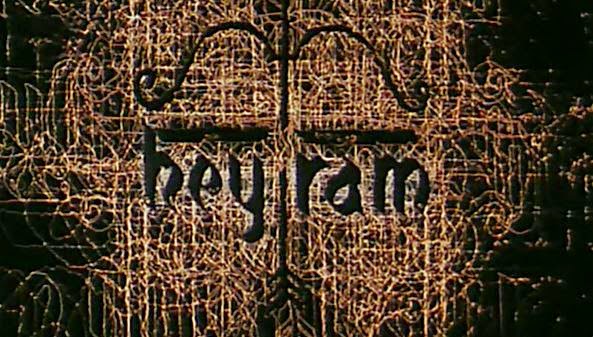
Hey Ram - Revisiting Tamil Films 5


இப்படத்தைப்பற்றி பலரும் பெரிய பெரிய research செய்து எழுதியுள்ளனர். இந்நிலையில் இவன் என்ன புதுச சொல்லப்போகிறான் என்று சொல்லும் உங்க mind voice எனக்கு கேட்குது. புதிதாக சொல்வதர்க்கு வேறு எதும் இல்லை என்பது வாஸ்துவம்தான், ஆனால் எனக்கு இதில் பிடிக்கதவை மற்றும் எனக்கு கொஞ்சம் நெருடலாக உள்ளவையை ஒரு பதிவாக எழுத ஆசைப்பட்டு எழுதுகின்றேன். 

இதை படித்தவுடன் ( அல்லது படிக்காமல் ) கமல் ரசிகர்களோ அல்லது ஹே ராம் படத்தை தீர்த்தமாக குடித்தவர்களோ தங்கள் போர்வளை தீட்ட வேண்டாம். அதை அப்படியே நாலா மடித்து pant pocket-ல் வைத்துகொள்ளவும். எனக்கும் கமலின் படைப்புகள் மிகவும் பிடிக்கும். எனக்கு பிடித்த 10 தமிழ் திரைப்படங்களில் 3 – 4 கமல் படங்கள் அடங்கிவிடும்.

இப்போது படத்திற்குள் செல்வோம்.

எதிர்பாராமல் சந்திப்பது

திடீர் திடீர் என்று சாகேத் ராம் தம் நண்பர்களை எதிர்பாராமல் சந்திப்பது கொஞ்சம் சினிமாதனமாக உள்ளது ( சினிமாவில் சினிமாதனமாக இல்லாமல் serial-தனமாகவா இருக்கும் ). இப்படி எதிர்பாராமல் சந்திப்பது கதையை நகர்த்த சுளுவாக (Easy) கையளப்படும் ஒரு யுக்தியாகவே எண்ணுகின்றேன்.

  • அப்யங்கரின் மூன்றாம் சந்திப்பு. காந்தியைப் பற்றி சாகேத் ராமிர்கு முளைச்சலவை செய்பவன் அப்யங்கர். ஆகையால் இந்த சந்திப்பு தவிர்கமுடியாது. ஆனால் இதை கொஞ்சம் மாற்றி அமைத்திருக்கலாம்.
  • இரண்டாவது, லால்வனியை Railway gate-ல் சந்திப்பது. இதை முற்றிலுமாக தவிர்த்து இருக்கலாம். இந்தக் காட்சியை நீக்கிவிட்டால் கதை அப்படியேதான் இருக்கும்.
  • மூன்றவது, அம்ஜத்தை டெல்லியில் சந்திப்பது. இந்த சந்திப்பு சாகேத் ராமின் வாழ்கையை மாற்றியமைக்கும். ஆனால் இதை அவ்வளவு Easy-யாகவும் எதிர்பாராமலும் சந்திக்க வைத்திருக்ககூடாது. அவ்வளவு பெரிய நகரம் அதிலும் ஊரடங்கு உத்தரவு வேறு. இந்நிலையில் இரண்டு நண்பர்கள் எதிர்பாராமல் சந்திப்பது யதார்ததுக்கு கொஞ்சம் முரணாக உள்ளது. இதை வேறு மாதிரியாக கையாண்டு சந்திக்க வைத்திருக்கலாம்.

அடுத்த பதிவில் வேறு சில எனக்கு ஒவ்வாத scene-களை பற்றி பார்போம்.

Other Revisiting Tamil Films. - 1. Michael Madana Kama Rajan | 2. May Maadham | 3. Taj Mahal | 4. Baashha